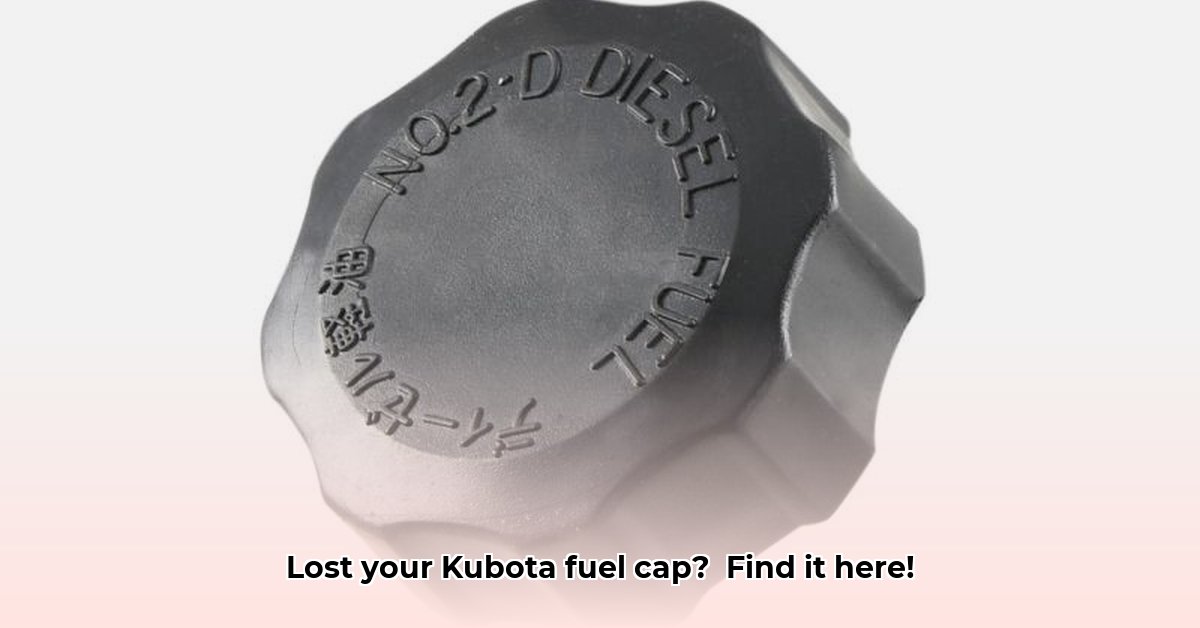
Kubota Tractor Fuel Caps: A Sustainability Analysis
The seemingly insignificant Kubota tractor fuel cap offers a compelling case study in sustainable agriculture. While a small component, its lifecycle—from material sourcing to disposal—contributes to the overall environmental footprint of farming operations. This analysis examines the fuel cap's supply chain, environmental impact, and actionable recommendations for improving its sustainability. Understanding this seemingly minor part helps us address broader sustainability goals within the agricultural sector. For additional resources on Kubota tractor accessories, check out this useful link.
Unpacking the Kubota Fuel Cap Supply Chain
Tracing the complete supply chain of a Kubota fuel cap reveals significant challenges in assessing its environmental impact. Manufacturers, including Kubota, often lack public transparency regarding material sourcing, manufacturing processes, and end-of-life management. This opacity hinders a thorough evaluation of the fuel cap's carbon footprint and resource consumption. For example, the specific plastics used and their recyclability remain largely unknown, limiting analysis of their environmental implications. Similarly, the energy and water consumption during manufacturing and transportation phases are often unavailable, making it difficult to quantify the overall impact.
A crucial step forward would be a detailed lifecycle assessment (LCA), a comprehensive analysis of a product's environmental impact from "cradle to grave." While an LCA might seem excessive for a small part, the data it reveals about manufacturing processes, material choices, transportation, and end-of-life management would be invaluable for identifying environmental hotspots and guiding improvements. This lack of readily available data represents a significant hurdle in achieving greater sustainability in agricultural equipment components.
Assessing the Environmental Impact
Although the impact of a single fuel cap might seem negligible, the cumulative effect of millions of these components across the agricultural sector is significant. Several factors contribute to the fuel cap's environmental footprint:
- Material selection: The type of plastic, its recyclability, and biodegradability directly influence environmental consequences.
- Manufacturing processes: Energy use, emissions, and water consumption during manufacturing contribute to the overall impact.
- Transportation: The distance the fuel cap travels from factory to farmer adds to its carbon emissions.
- Disposal: Whether the cap is recycled, landfilled, or incinerated significantly affects environmental outcomes. How many end up in landfills, contributing to plastic waste, remains largely unknown.
While some sustainable alternatives exist (such as biodegradable plastics), potential drawbacks—like reduced durability and shorter lifespan—need careful consideration. Further research is essential to balance material properties with environmental impact.
Stakeholder Responsibilities and Actionable Recommendations
Improving the sustainability of Kubota fuel caps requires a multi-stakeholder approach:
Kubota (Manufacturer): Short-term: Conduct a comprehensive LCA; Increase supply chain transparency. Long-term: Develop a take-back program for end-of-life components; transition to recycled and/or biodegradable materials; invest in sustainable manufacturing practices.
Suppliers: Short-term: Enhance transparency in material sourcing and manufacturing processes; improve traceability. Long-term: Develop and implement sustainable sourcing practices; invest in research and development of environmentally friendly materials.
Farmers/Users: Short-term: Purchase equipment and parts from reputable dealers; dispose of used parts responsibly; request more sustainable products from manufacturers. Long-term: Advocate for environmentally friendly products; support initiatives promoting sustainable agricultural practices.
Regulators/Governments: Short-term: Implement stricter environmental regulations for manufacturing and disposal; mandate accurate labeling of material composition. Long-term: Encourage research and development of eco-friendly materials for agriculture; fund sustainable agricultural initiatives.
Do you think that increased government regulation is the most effective way to encourage more sustainable practices in the agricultural sector?
Future Research Needs
The current lack of data on the Kubota fuel cap's lifecycle underscores the urgent need for further research:
- Comprehensive lifecycle assessments (LCAs) to quantify environmental impacts across the entire supply chain.
- Detailed analysis of material composition and recyclability of existing fuel caps.
- Research and development of sustainable alternatives, including biodegradable plastics and improved designs for durability and recyclability.
Conclusion
The Kubota fuel cap exemplifies the significant environmental impact of seemingly minor components in the agricultural sector. Addressing its sustainability requires a collaborative effort among manufacturers, suppliers, farmers, and regulators. By prioritizing transparency, investing in research and development, and implementing sustainable practices across the supply chain, we can collectively minimize the environmental footprint of agricultural equipment and contribute to broader sustainability goals. The need for readily available, detailed information, particularly on material sourcing and production processes is vital for moving toward a more sustainable agriculture.